5 Ethical Principles of a Sober Interventionist
– Do no harm – Improve the situation for better for all – Respect all those involved – Be fair to all – Be compassionate

– Do no harm – Improve the situation for better for all – Respect all those involved – Be fair to all – Be compassionate
The planned process of confrontation by people who are important to the addict. Its purpose is to allow the addict to see the destructive nature of their addiction on the people they love. The result of a Sober Intervention? Right…

The sooner you realise that it’s never going to go back to the way it was, the sooner you can move forwards. Understand that your loved one will always remain active in their addiction while you continue to permit them…

Codependence – a person is “addicted to the addict”; they assume responsibility for meeting the addict’s need and neglect their own Enablers – people who knowingly or unknowingly protect addicts from the natural consequences of their actions “when you choose…
If the Addict is pleased with the help you’ve given them, you’re probably enabling them. If the Addict becomes angry, agitated or restless with the help you’re giving them, then you’re probably helping them beyond how you can ever imagine.

Someone once told me that when you start cutting, you can’t stop. I didn’t believe them. I recently started cutting and now I can’t stop. I love the feeling of it. I love the blade against my skin And you…
1.Silent Treatment 2.Lying 3.Making Threats 4.Accommodating their demands 5.Cancelling plans 6.Assuming responsibility 7.Pretending 8.Lecturing 9.Avoiding 10.Relocating 11.Hiding or destroying or dumping (alcohol / drugs / paraphernalia / food etc) 12.Others?
If there is even a small concern, then in most cases there is a problem, that given time will only develop and become a bigger problem. There could be many hidden addictions and there’s rarely no smoke without fire, no…
Addictions affect everybody from any class, culture, race, religion, gender, sexual preferences, etc It happens to so many families, that 20% – 1 in 5, of British families have some sort of concern, which they normally hide because of fear…
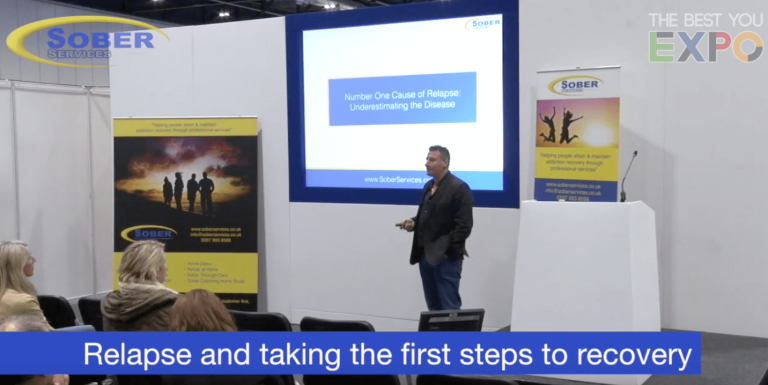
Number One Cause of Relapse: Underestimating the Disease The first step towards getting somewhere is to decide that you are not going to stay where you are.